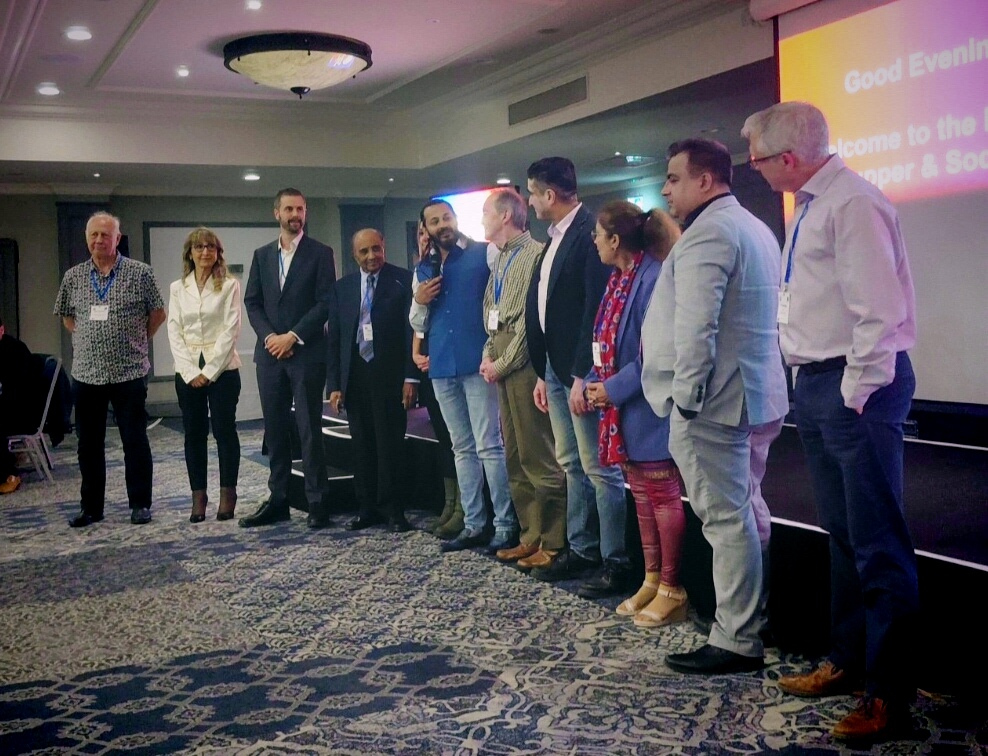
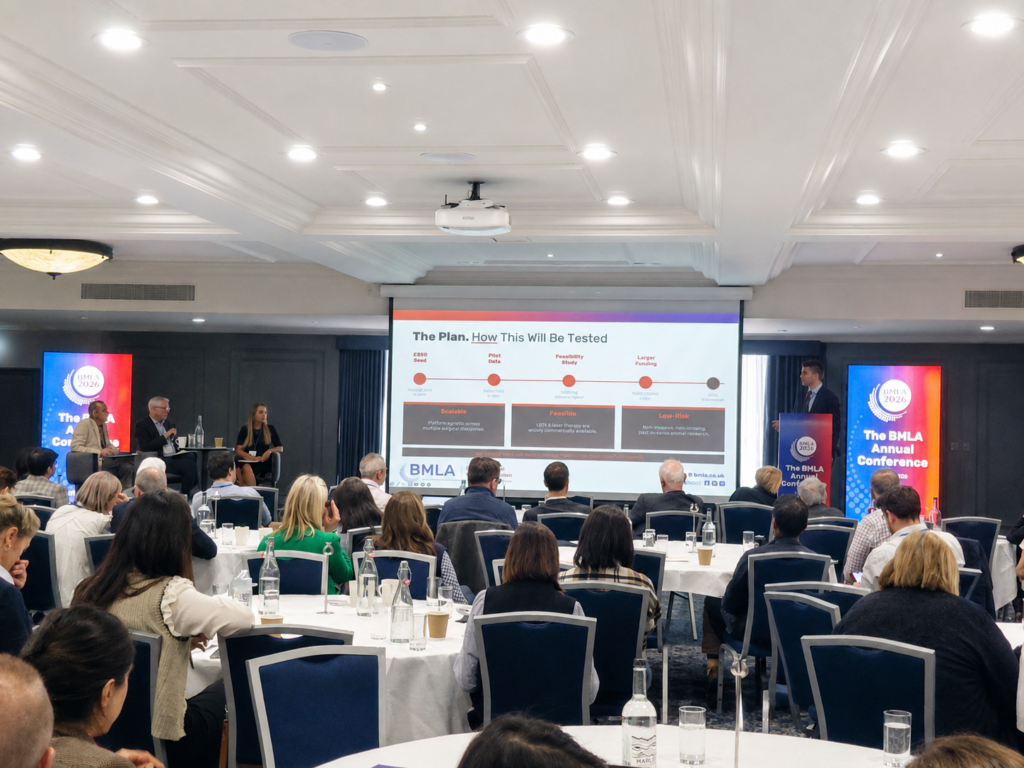
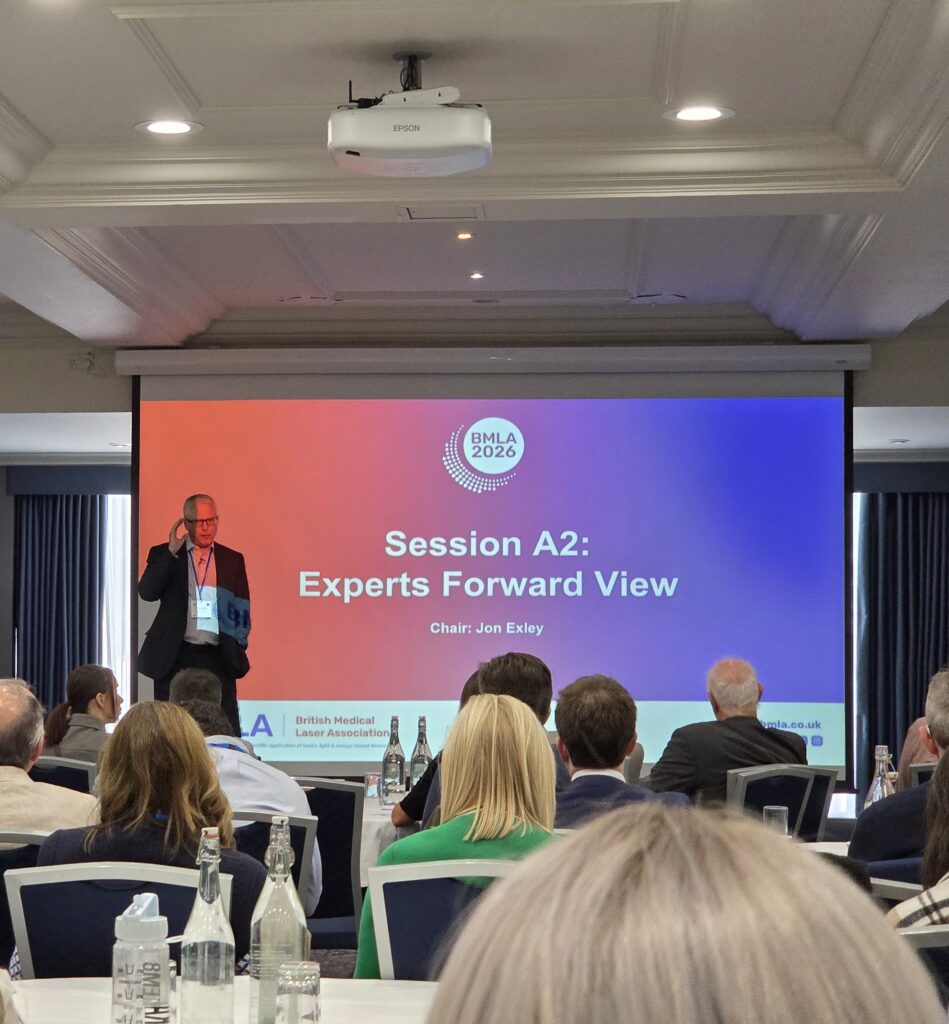
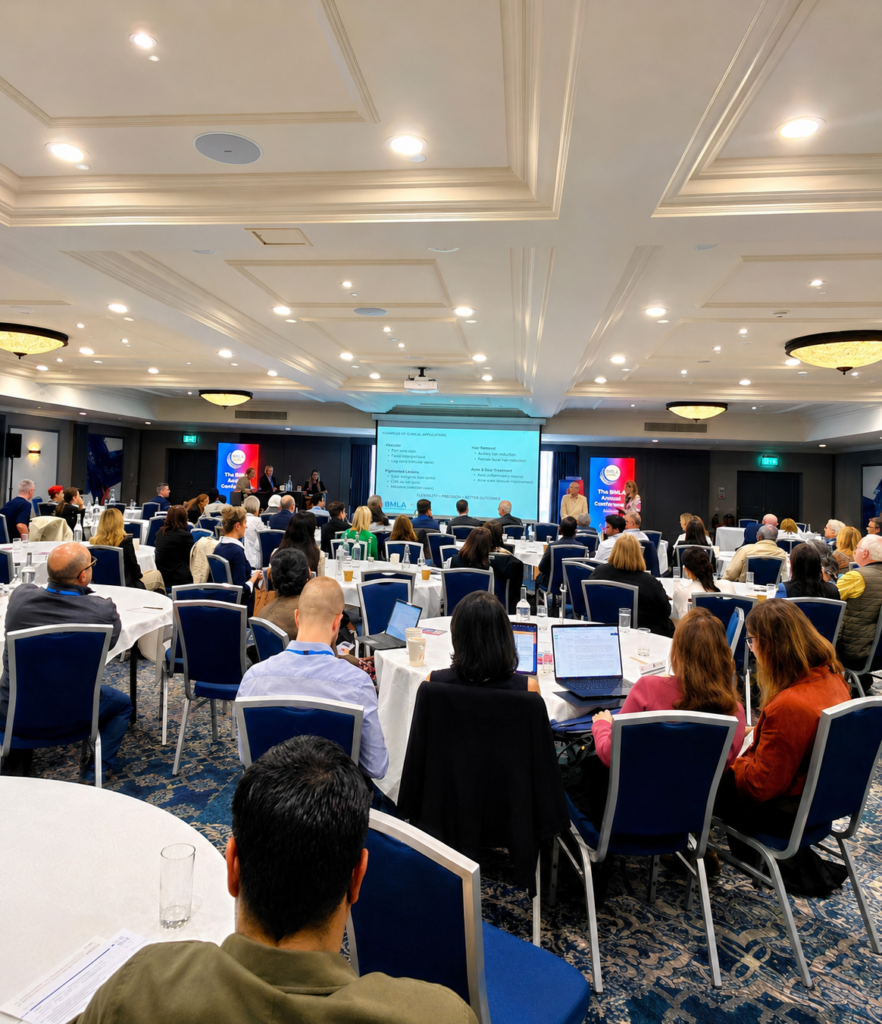
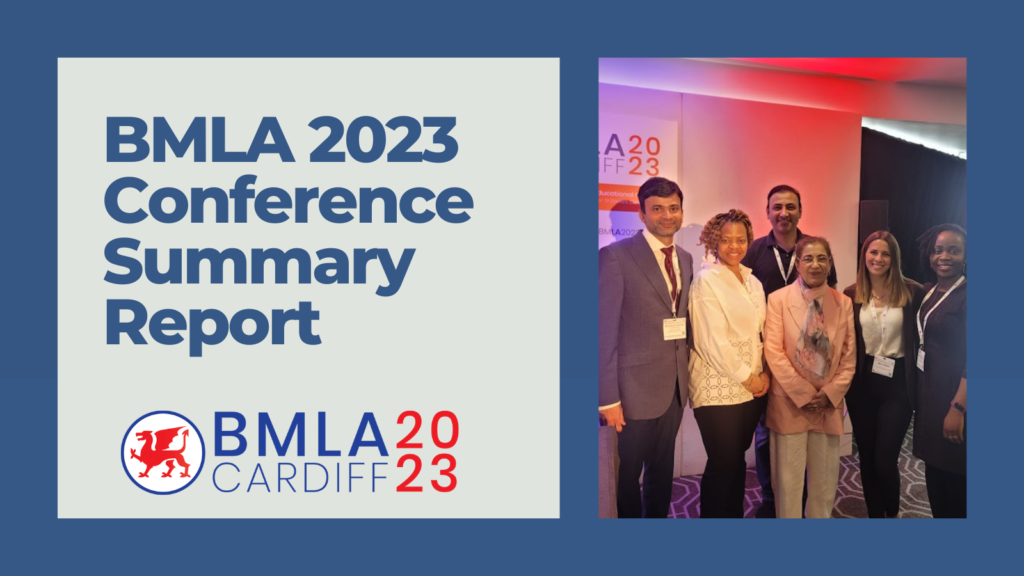
Thank you to everyone who joined us for BMLA 2026 in Solihull. Over three inspiring days, we shared knowledge, explored the latest advances in laser and energy-based medicine and enjoyed valuable discussions with colleagues from across the community.
This year’s conference also allowed us to celebrate outstanding contributions and exciting new developments within the Association. Read on for the latest news and special announcements from BMLA 2026.
The British Medical Laser Association (BMLA) has announced Dr Tom Lister as its new President following appointments made at the Association’s recent AGM. Dr Sanjay Rajpara was also appointed as Vice President.
Dr Tom Lister will lead the BMLA in advancing its strategic objectives, supporting professional education and strengthening engagement across the medical laser and energy-based device community. The role is intended to provide leadership, drive key initiatives and represent the BMLA across its educational, clinical and stakeholder activities, according to the Association.
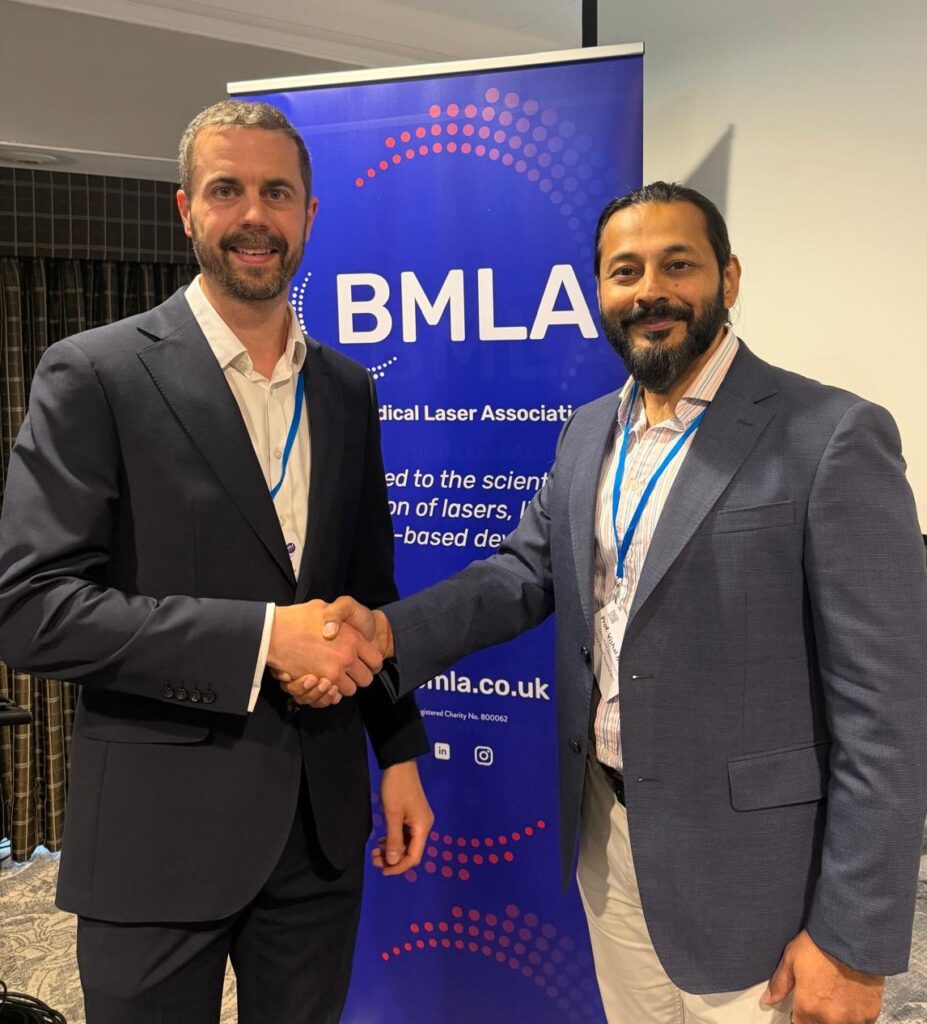
The BMLA also expressed its sincere gratitude to outgoing President, Prof Vishal Madan, for his dedicated leadership and contributions to the Association over the past 10 years.
Dr Lister said: “I am honoured to accept the role of President of the British Medical Laser Association. For many years, the BMLA has played a vital role in championing excellence, safety and innovation in the use of lasers and energy-based technologies across medical, aesthetic and veterinary practice. I want to pay tribute to Prof Vishal Madan for his outstanding leadership, commitment and contribution to the Association over the last decade. I look forward to working closely with colleagues and members to strengthen education, foster collaboration, and support the continued advancement of our field.”
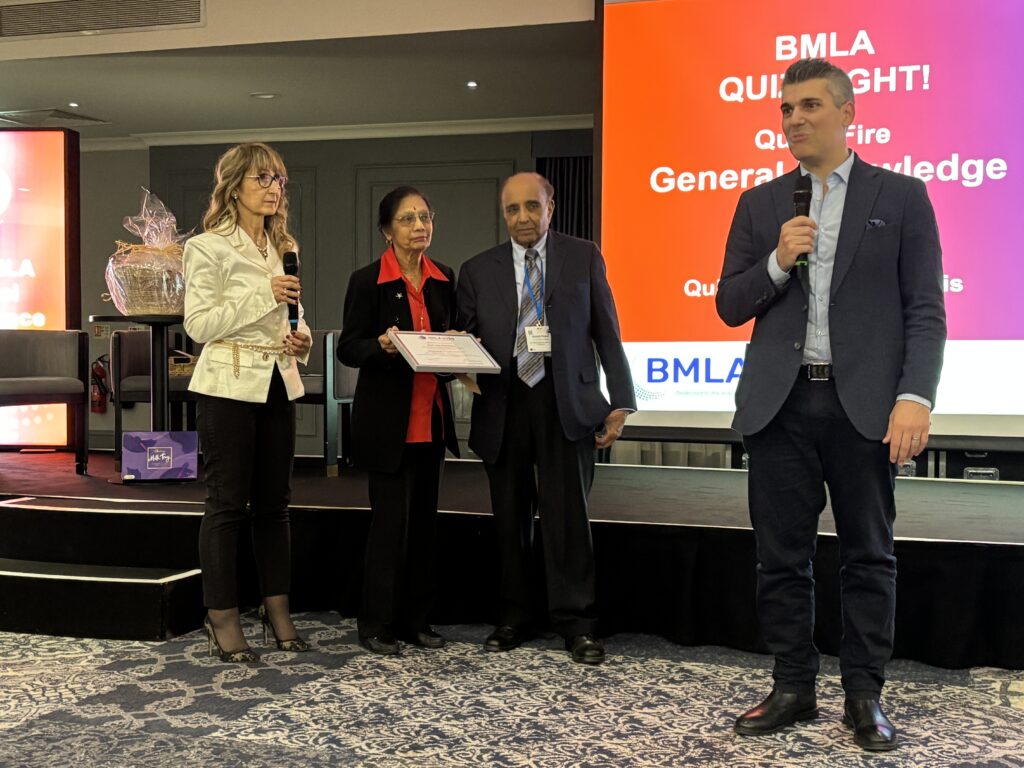
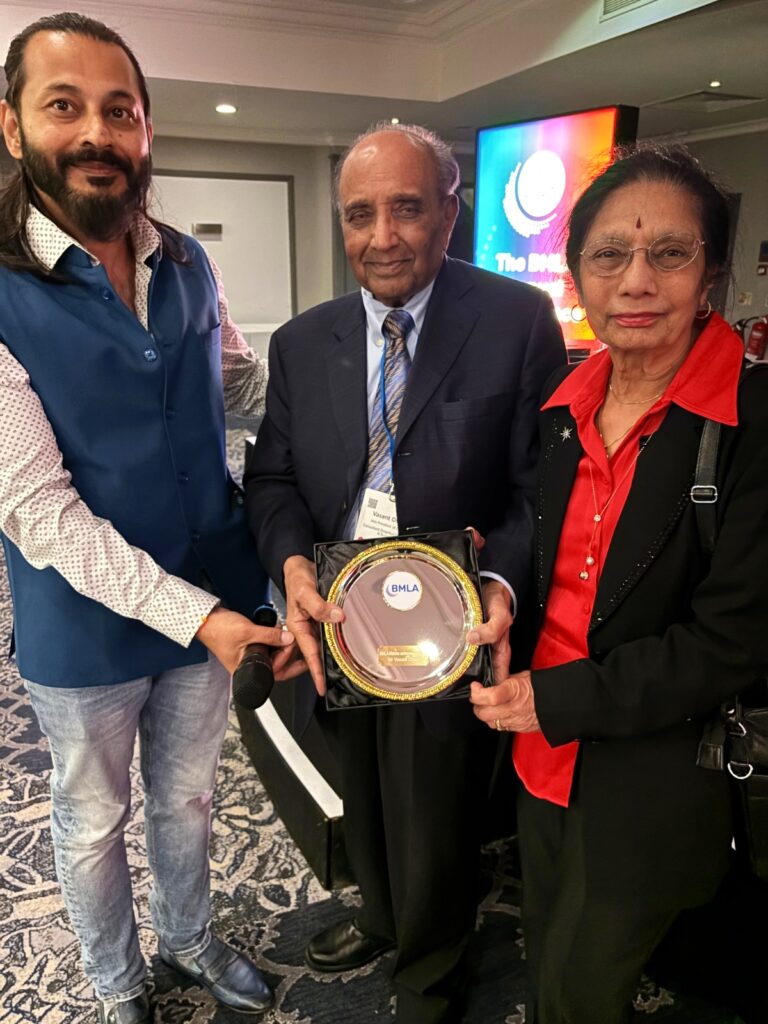
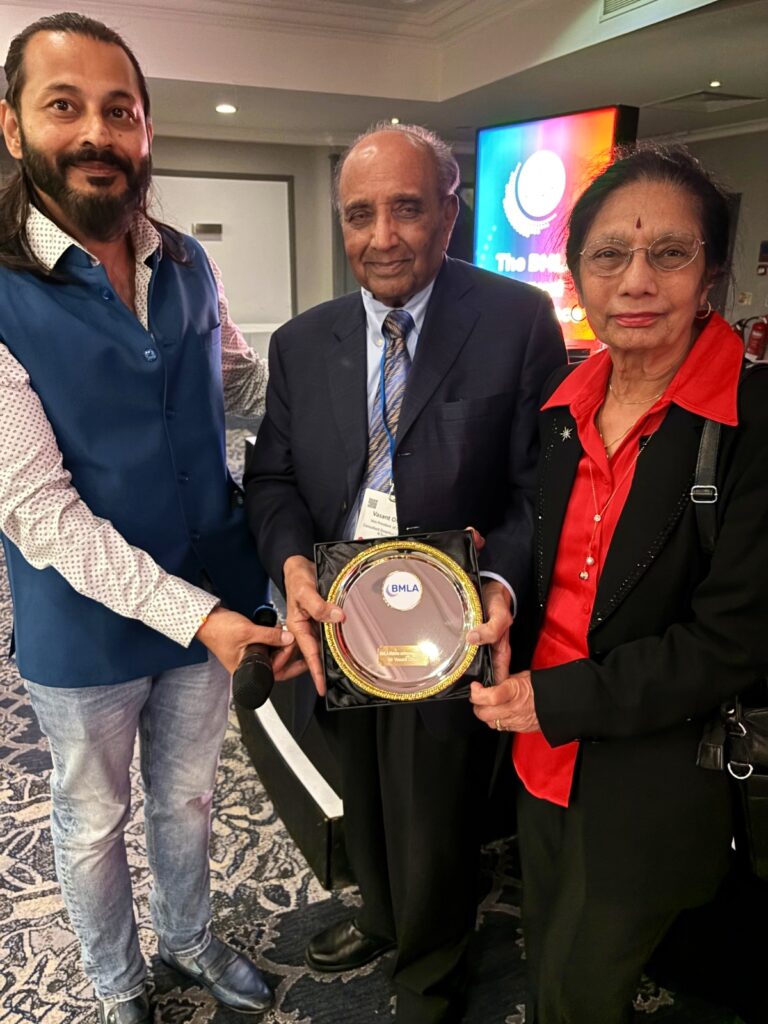
The conference was also the perfect opportunity to celebrate the exceptional contributions of BMLA founding member, Mr Vasant Oswal, and his wife, Mrs Nirmal Oswal. It was with immense gratitude that they received the BMLA Lifetime Achievement Award, presented to a standing ovation from delegates. Although stepping down from his role as BMLA Vice President, Mr Oswal will continue to support the Association as Chair of the Education Committee, and we look forward to the continued collaboration!
Inaugural Shark Tank Prize Winner Announced
BMLA 2026 featured our first-ever Shark Tank session, showcasing innovative research and emerging ideas from delegates across the field. Participants competed for the prestigious ‘Vasant and Nirmal Oswal Research Prize 2026’, presenting their work to both peers and industry experts.
We are delighted to announce that Mr Theodore Pezas, from Guy’s and St Thomas’ NHS Foundation Trust, won this year’s prize for his presentation: “Laser Speckle Contrast Imaging for Perfusion-Guided Laser Interventions in Paediatric Plastic Surgery.”
The prize comes with a cash award and a complimentary ticket to BMLA 2027 in Manchester. Congratulations to Theodore, and thank you to everyone who contributed to making this inaugural session such a success.
BMLA Best Oral Presentation Prize Winners
With so many excellent presentations delivered throughout the conference, the Programme Committee faced an exceptionally difficult task in selecting this year’s winners.
Congratulations to:
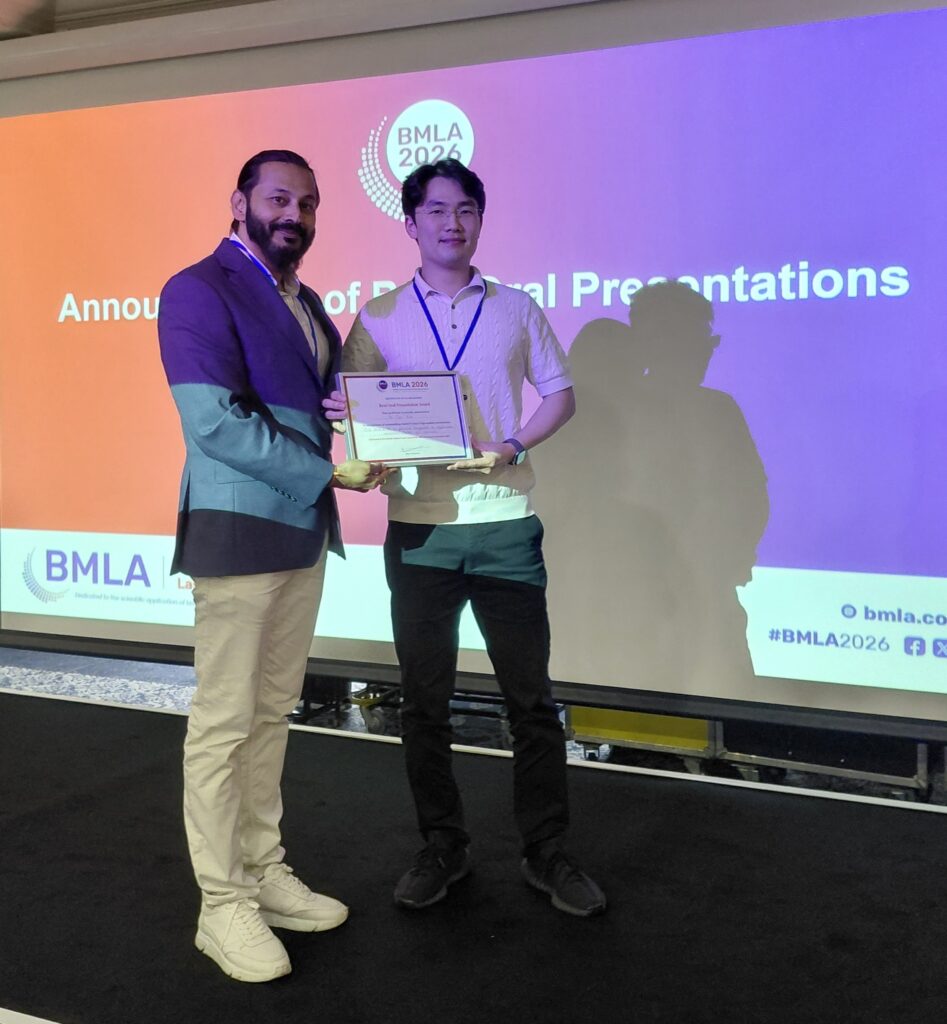
Dr Byung Jin Kim, Dermatology Registrar at RUH Bath, for the presentation: “Ablative CO2 in palliative management of symptomatic metastatic Merkel cell carcinoma”
Dr Thandiwe Banda, Internal Medicine Trainee at Birmingham Skin Centre, for the presentation: “Laser hair reduction as primary treatment for sacral pilonidal sinus disease”
Both winners receive a cash award, one year of complimentary BMLA membership, and tickets to attend BMLA 2027 in Manchester. Congratulations from everyone at the BMLA.
Save the Date: BMLA 2027
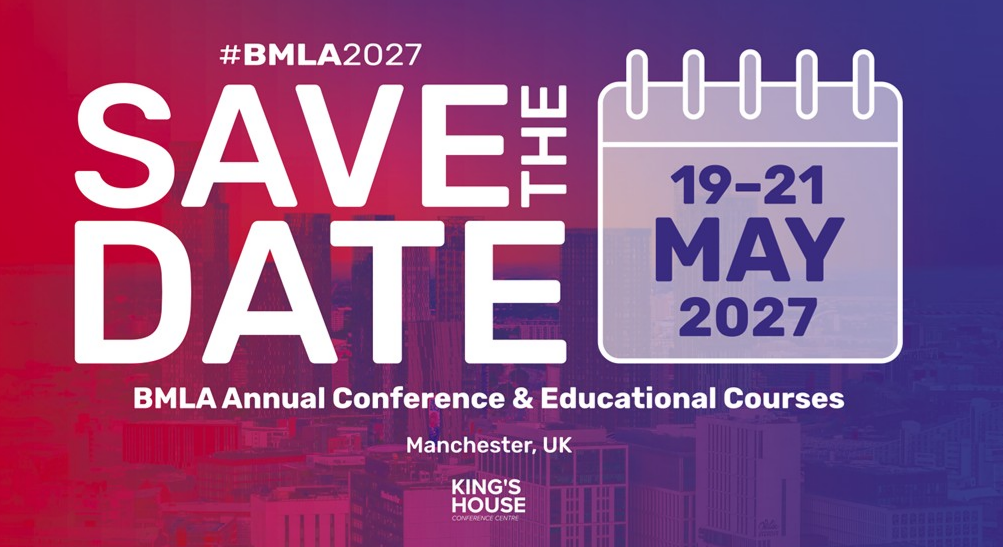
We are pleased to announce that the next BMLA Conference, including pre-conference Educational Courses, will take place from 19–21 May 2027 at the King’s House Conference Centre in Manchester.
At the recent 42nd Annual Conference of the British Medical Laser Association (BMLA 2026, 7-8 May 2026), delegates came together not only to celebrate innovation, research and clinical excellence in laser and light-based medicine, but also to recognise an individual whose contribution to the field has been truly extraordinary.
In one of the conference’s most heartfelt moments, BMLA founding member Mr Vasant Oswal and his wife, Mrs Nirmal Oswal, were presented with the BMLA Lifetime Achievement Award in recognition of their exceptional dedication to advancing medical laser education and practice over many decades. The presentation was met with a standing ovation from delegates – a fitting tribute to two people whose influence has shaped countless careers within our field.
For many within the BMLA community, Mr Oswal is far more than a respected colleague. He is a pioneer, educator, mentor and one of the key figures responsible for advancing the use of lasers in medicine in the UK.
Pictured from left to right: Prof. Vishal Madan, Mr Vasant Oswal, Mrs Nirmal Oswal
A Visionary in Laser Surgery
Long before lasers became part of mainstream clinical practice, Mr Oswal recognised their potential to transform surgery.
In the early 1980s, as an ENT surgeon, he became one of the first in the UK to explore how laser technology could improve surgical precision and patient outcomes. Through pioneering bench experiments, he demonstrated the effectiveness of the CO₂ laser in tissue cutting and blood vessel sealing, helping to pave the way for safer and more precise surgery.
His innovative laboratory work helped bring complex concepts to life and laid the foundations for the successful implementation of laser technology in surgery.
At a time when laser medicine was still in its infancy, Mr Oswal was helping to shape its future.
A Lasting Educational Legacy
If innovation defined one part of Mr Oswal’s career, education has defined another.
Together with Mrs Nirmal Oswal, he became a passionate advocate for sharing knowledge and raising standards in laser practice. Over nearly three decades, they organised internationally renowned hands-on laser courses, helping generations of clinicians understand the science, safety and practical application of laser technology.
For many practitioners, these courses were a first introduction to laser medicine and a defining moment in their professional development.
Their contribution to education has left an enduring legacy, not only within ENT and laser surgery, but across the wider medical laser community.
Now aged 92, Mr Oswal continues to demonstrate the same passion for education and knowledge-sharing that has defined his career.
In 2024, he produced a series of instructional videos using original recordings from 1982 to support both established practitioners and newcomers to laser technology. Covering laser physics, tissue interactions, treatment parameters and essential safety principles, the videos reflect his enduring belief that education should remain accessible and rooted in strong scientific understanding.
A BMLA celebration of Mr Oswal’s work
Watch the BMLA 2026 Conference Highlights
Recognised Across the Profession
Mr Oswal’s contribution has rightly been recognised beyond the BMLA.
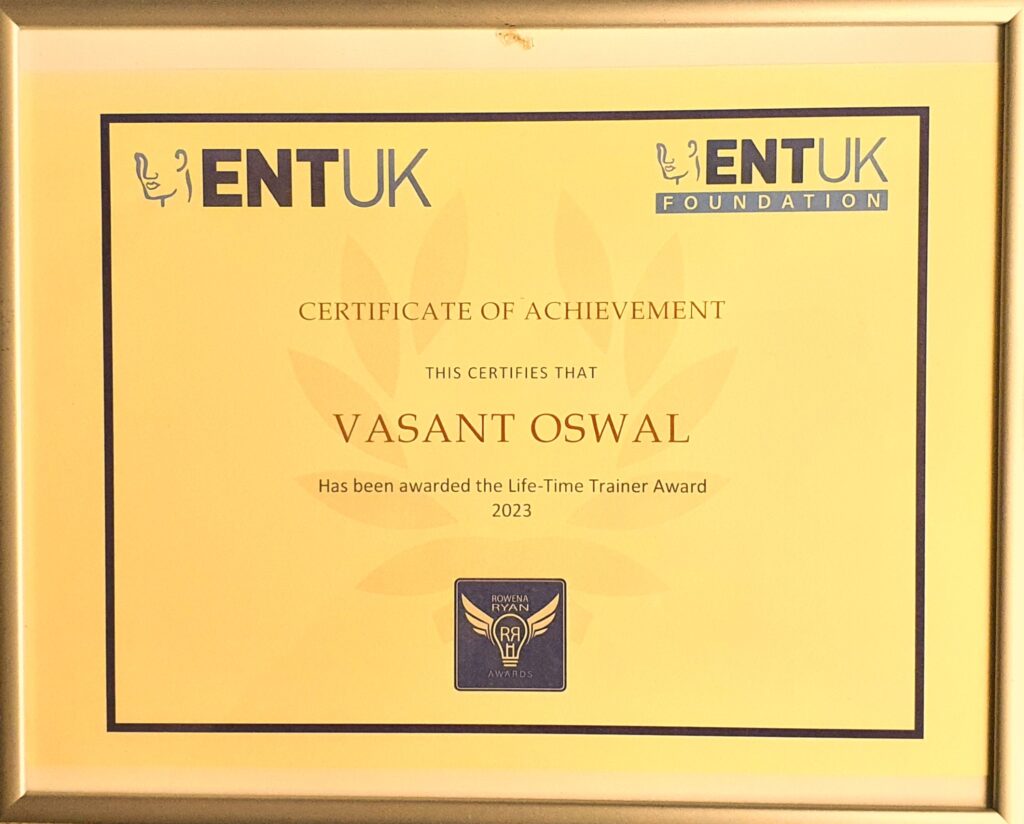
In 2023, he received the prestigious Rowena Ryan Lifetime Trainer Award from ENT UK, recognising his many years as a trainer, innovator and leader in medical education. The award celebrated the enormous impact he has had on generations of surgeons and healthcare professionals throughout his career.
Continuing the Journey
While Mr Oswal is stepping down from his role as BMLA Vice President, we are delighted that his contribution to the Association is far from over. He will continue to support the BMLA as Chair of the Education Committee, helping to shape one of the organisation’s most important areas of work.
For an Association built on education, collaboration and scientific advancement, there could be no better person to continue guiding this mission.
On behalf of everyone at the BMLA, we extend our deepest gratitude to Mr Vasant Oswal and Mrs Nirmal Oswal for their extraordinary contribution, generosity and unwavering commitment to advancing laser medicine.
We are deeply saddened to announce the passing of Keyvan Moghissi on 13th November 2025. During the formative years of the British Medical Laser Association (BMLA) in the early 1980s, several individuals undertook groundbreaking work in Lasers for medical use, and Keyvan was one of them.
Keyvan established the wide use of laser and photodynamic therapy (PDT) in cardiothoracic surgery.
Keyvan founded the Yorkshire Laser Centre to ensure the continuity of laser technology. He had a unique personality, often seen with a faint smile on his face. Always willing to share his knowledge and support his junior colleagues, Keyvan was a lively and knowledgeable presenter who chaired the PDT sessions during the BMLA’s academic activities. His authoritative delivery was truly impressive. He demonstrated a strong dedication to both his work and his patients while advancing academia.
His passing marks an era when lasers and PDT became standard modes of management for cardiothoracic conditions. Rest in peace, Keyvan; your legacy serves as an inspiration for others to follow.
Part Two – 1982 Pioneering CO₂ Laser Surgery in ENT – The First in the UK – by Mr Oswal
The BMLA is proud to release Part Two of the instructional series From Light to Medical Laser Light, created by Mr Vasant Oswal, Senior Adviser to the BMLA and Chair of its Education Committee.
This 50-minute video offers a rare and compelling insight into the origins of CO₂ laser surgery in ENT. Starting with Mr Oswal’s early days in medicine in 1955, it charts his appointment as Consultant ENT Surgeon in Middlesbrough in 1970, a time when Oro-maxillofacial surgery did not exist. His unit soon gained national recognition for pioneering major head and neck procedures, attracting senior trainees from across the UK.
Driven by his passion for teaching, Mr Oswal created colour-coded temporal bone dissections, now housed at the Royal College of Surgeons. Numerous trainee ENT surgeons have benefited from these specimens in gaining a deeper understanding of the intricate anatomy of the structures which make up the ear. He also produced an award-winning tape-slide programme on laryngeal cancer, presented at the Centennial Conference on Laryngeal Cancer held in Toronto in 1974. He was also among the first to introduce the concept of the multidisciplinary team in ENT oncology.
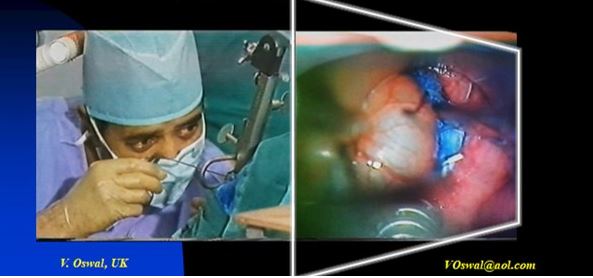
Part Two focuses on Mr Oswal’s groundbreaking adoption of the CO₂ laser, sparked by his first hands-on experience at the 1981 World ENT Congress in Budapest. With no textbooks or courses available, he taught himself from scratch—using steak, pig larynx, and eventually egg white to analyse laser-tissue interaction frame by frame. Ingeniously, he utilised the transparency of egg white to observe the depth of thermal effects in real-time.
Thanks to a public appeal that raised £72,000, far in excess of the £40,000 appeal, in just six months, the UK’s first CO₂ laser (Coherent 450) was installed in Middlesbrough in 1982. The video features original footage of Mr Oswal’s early self-conceived experiments, as well as landmark operations—starting with a laser excision of the fibroma from a young man’s tongue, which was bloodless and pain-free. Later clips show advanced tongue cancer surgeries, including a complete glossectomy performed through the mouth without bleeding. Astonishingly, the patient began vocalising just one week later.
Featuring rare surgical footage, high-quality visuals, animations, and thoughtful narration, this film is essential viewing for ENT surgeons and all those interested in the history and evolution of laser medicine in the UK and beyond, through his worldwide travels to run courses and participate in conferences.
Viewer discretion is advised due to surgical content. Running time: 50 minutes
Part Three, focusing on laser surgery of the larynx – a far more hazardous and technically challenging domain – is coming soon.
We regret to inform you of changes to the 2025 BMLA conference. Initially planned as a joint event with the Spanish Laser Society (SELMQ) in Malaga, Spain, this arrangement has now been cancelled.
Our representative, Reem, attended a feasibility meeting in Malaga, where SELMQ President Virginia and Scientific Committee Chair Fernandez stated that, due to Spanish regulations, non-medical BMLA members would not be permitted to attend the conference in person.
The BMLA Executive did not accept this condition, as we do not restrict attendance based solely on medical qualifications.
As a result, the joint conference has been called off. We are now exploring the possibility of holding our 2025 annual gathering at a UK venue.
If this is not feasible at this late stage, we may limit the 2025 annual event to educational courses only.
Please note that, as previously announced, the 2026 annual conference is scheduled to take place in Birmingham.
Further updates will be provided as soon as possible.
Mr. Vasant Oswal, currently serving as the Vice President of the British Medical Laser Association and Chair of the Education Committee, emerged as a trailblazing figure among ENT surgeons in the UK during the early 1980s by recognising the potential benefits of integrating lasers into surgical practice. Through pioneering bench experiments, he demonstrated the CO2 laser’s effectiveness in tissue cutting and blood vessel sealing, heralding the promise of nearly bloodless surgery.
Mr. Oswal’s innovative laboratory work, including the use of egg white to visualise laser-tissue interactions, laid the foundation for his successful implementation of laser technology in surgery. His dedication to advancing laser surgery extended to sharing knowledge with fellow surgeons, leading him and his wife Nirmal to organise internationally acclaimed hands-on laser courses, which ran for 28 years.
Approaching the age of 90, Mr Oswal remains steadfast in his commitment to sharing his expertise. He has produced instructional videos featuring the original 1982 recordings, covering the fundamentals of light and laser physics, properties, parameters, tissue interactions, and crucial safety considerations in laser surgery. These videos serve as valuable resources for both established laser users and newcomers to laser technology in medicine. Viewer discretion is advised for parts two and three (in preparation), which feature laser surgical procedures.
‘From Light to Medical Laser Light – Part 1’ by Mr Vasant Oswal, Emeritus Consultant Otolaryngologist H&N Surgeon at James Cook University Hospital in Middlesbrough, Cleveland
British Medical Laser Association Founder and Vice President Mr Vasant Oswal MBBS, DORL, MS, DLO, FRCS, has been awarded the Rowena Ryan Lifetime Trainer Award by ENT UK, during a Research Showcase event held early September in London.
The award comes as an acknowledgement for Mr Oswal’s many years as a trainer, innovator and leader of medical education. We would like to take this opportunity to congratulate Mr Oswal on this wonderful achievement.
From left to right: Miss Helen Cocks, ENT UK President-Elect, Mr Vasant Oswal and Mrs Nirmala Oswal, Prof. Nirmal Kumar, ENT UK Foundation Chair
You can read more about the Research Showcase on the ENT UK website here.
Read the BMLA 2023 Annual Conference & Educational Courses report by Navroz Singh, core surgical trainee at Kings College NHS Trust and recipient of the 2023 BMLA Vasant and Nirmal Oswal Trainee Scholarship, published by ENT & Audiology News:
British Medical Laser Association Founder and Vice President Dr Vasant Oswal MBBS, DORL, MS, DLO, FRCS joins executive board member Kerry Belba for a follow up conversation about his pioneering career.
Vasant Oswal is an Emeritus Consultant Otolaryngologist and Head and Neck surgeon at the James Cook University Hospital, Cleveland, England and a recognized world authority in Lasers in ENT. Regarded as a pioneer in laser surgery in ENT in the UK, Vasant Oswal has written widely, authored and edited three books on lasers in ENT, and trained hundreds of surgeons in Cleveland International Laser Courses for over 28 years. He was also invited worldwide to over forty ENT centres to run laser course and chair conferences. He was made an Honorary member of many professional organisations He has been rightly awarded many prestigious honours throughout his long career. Amongst all, an award of FRCS by the Royal College of Surgeons of England by nomination and election, a rare recognition, stands proud.
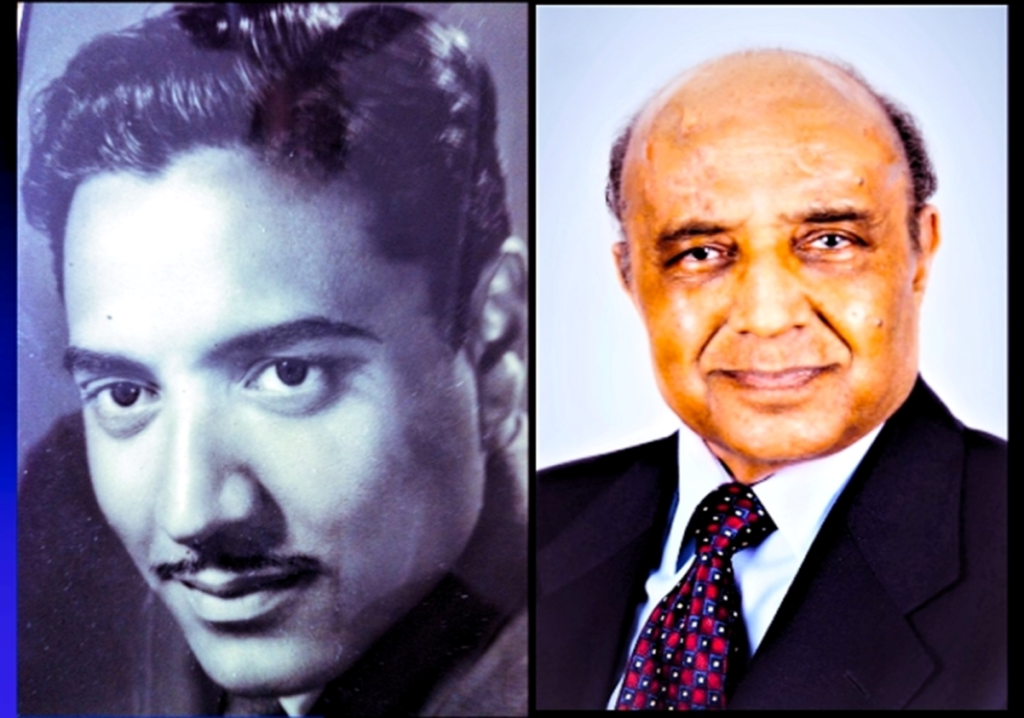
Photo left: 1960 – 2022
At 87 years young and allegedly retired in 1995 as consultant, he is Vice President and Chairman of the Education Committee of the British Medical Laser Association, Secretary General of the European Laser Association and has recently authored an autobiography.
As recently as March 2022, The European Medical Laser Association awarded him the prestigious ‘LIFE ACHIEVEMENT AWARD’ during the New York 2022 Laser Meeting for his contribution to Lasers in Medicine.
We caught up with Vasant ahead of the 39th BMLA Annual Conference which takes places in Edinburgh on 25 – 27 May 2022 at the Royal College of Surgeons to ask him some questions about his life and career.
In this interview we found out more about Vasant and an insight into his career highlights spanning over long 62 years, what he is most proud of and the biggest changes he has seen in lasers in his lifetime….
What’s your typical day like now? How is it different from your daily routines in the past?
How do I answer this question? My daily routine in the past, working as an ENT H&N consultant, ended some twenty-seven years ago, on my retirement in 1995! Even long before retiring, I was invited to teach laser surgery in many countries worldwide. The travelling continued all these years; the last one was to Singapore for the Asia Pacific Laryngology Association conference in November 2019. And then we had the Covid lockdown in March 2020, stopping all my travelling and replacing it with a screen on the zoom platform. Many people in the past had asked me to write my biography. This was the opportunity. It kept me busy and is now ready to publish. The rest of the time goes in gardening, growing veg. That is better exercise than any gym equipment. And, for the hungry brain, YouTube. Many excellent documentaries on history, space, physics, chemistry, computers videos. I love watching them, those two or three hours of ‘rest’ for my brain!
What are your career highlights?
The only career highlight was when I wore a white coat and put the stethoscope around my neck on that first day in medical college. A saviour of the world? YES, that’s me. Most of my career was governed by unplanned events and unexpected turns in my life! As I was finishing my postgraduate studies in India, a letter arrived from the North Riding Infirmary in Middlesbrough in England, just 5000 miles away, for an interview to fill in a Senior House Officer post. They needed resident doctors, one of my friends was working there. He suggested to them to write to me, and within ten days, from the warm sunshine of Bombay (Mumbai, as it is known now), I was in wintry England on 11th November 1963!
Photo left: Training of the theatre staff
Then, after finishing training and passing FRCS, I was about to go to Libya to work there as a consultant in 1969 for two years; before returning to India. But it did not happen! My appointment was by King Idris Regime, who was deposed in a military coup by Colonel Gadhafi a night before I went to the Libyan embassy in London for a visa. They said, ‘we don’t know if we are legitimate as Embassy staff, so how can we give you a visa?’
Suddenly, all my plans fell apart. The regional NHS office in Birmingham found a locum job for six months in Wales – giving me a breather. One day, the consultant there said, ‘Have you thought of working here as a consultant?’ I applied for a job in Middlesbrough and, as they say, the ‘rest is history’.
I believe the Russia and Ukraine conflict impacted you – Can you tell us how?
I was invited to St Petersburg by the Head of the ENT department Marius Plouznikov in 1991, soon after the collapse of the USSR, to train the young surgeons from the old USSR countries, which included Ukraine, Chechnya, Belarus, Kyrgyzstan, Kazakhstan, Estonia, Latvia, Lithuania and other countries. Every two years, I went to St Peterburg and chaired the International Academy of Otolaryngologists and Head and Neck Surgeons, Russia. I trained them in presentation skills, spoken and written English, writing articles and research methods and many other skills. When the young trainees presented their work. I chaired the Jury selection Committee to select the best presentations. The awards consisted of observer status for two weeks in the ENT departments of many countries of Europe and also the US. For my work, I was awarded a title of ‘Distinguished Otolaryngologist’ and an ‘NP Simanovskii Gold Medal’, exceptionally to a non-Russian. When Marius passed away, Sergei Karpischenko became the head of the StP Department of Otolaryngology. He is one of many young surgeons I trained years ago, and he proudly mentions my name as his trainer.
The thought that some of my trained Ukrainian Surgeons may be involved in the war saddens me. Medicine has no boundaries and cannot take sides. Nevertheless, I feel all my work to ‘westernise’ the old USSR trainees will come to an end and Russia will go back to the times before they invited me to train the young doctors in the 1990s.
What dreams and goals did you have for your life when you graduated in medicine?
My career, both before and during medical studies, had been scholarly. I was therefore keen to take up postgraduate studies after I passed MBBS in 1960, way back when penicillin was making inroads all over the world. By 1963, I had taken and qualified in all the postgraduate examinations in India. Any further studies were only possible by going abroad. FRCS was very much respected at that time as the ultimate qualification. So, I came to England and passed DLO in 1964 and FRCS in 1967. with no more examinations left to take, the dream was over; time to start working!
What are some of the most significant changes in lasers you’ve seen in your lifetime?
The sophistication has achieved more precision and less collateral (unwanted) damage. This is very important in the surgery of the disease of the vocal folds in the larynx. Any spread of the laser energy to the normal vocal fold would damage the integrity of its structure and result in a hoarse voice. The spot size in my first machine in 1982 was 700 microns in diameter. It came down to 250 microns, a quarter of a millimetre. The exposure time also got smaller. A superpulse technology gave an activation time for the laser strike, lasting only one four-hundredth of a second. A sharp, precise incision was thus possible at the junction of the tumour and the normal vocal fold. Narrow-band imaging defined the blood supply to the tumour. Sealing it off with the laser slowed down any re-growth of the tumour. Hand in hand, the emphasis for surgery on the voice box has shifted from removal of unwanted tissue to preservation of function as the primary aim, even in cancer cases. There was much hope for robotic laser surgery in the voice box and beyond, but we have not been able to concur with the technology for that.
Vasant using the fireproof metal anaesthetic tube he designed for laser surgery in 1982
What is the most innovative medical product you’ve worked on in your career?
It has to be laser technology. I have been following it since a conference in Toronto in 1972 where a prototype was in the trade exhibition. The experimental machine was ten feet long! Over the next few years, the development continued until the device was a washing machine size and ready for its introduction in surgical practice. The laser was a game-changer, a beam that cuts the tissue with precision and, at the same time, shrivelling small size blood vessels, making the surgery almost bloodless!
Do you enjoy a slower pace now, or are you as busy as ever?
I have never been in a slow lane; for me, every lane is a fast lane. I have so much to do every day that I run out of time. Your very pertinent question reminds me of a story of a man who dug a hole in the garden, dug the next hole, and filled the first one with the soil from the second hole. He continued doing this for every hole he dug in. The neighbour asked him why he dug a hole and filled it again with the soil from the next one. ‘Oh, I am just moving the hole from one side of the garden to the other side,’ was his answer. I will be doing just that – moving a hole if I run out of anything else to occupy me!
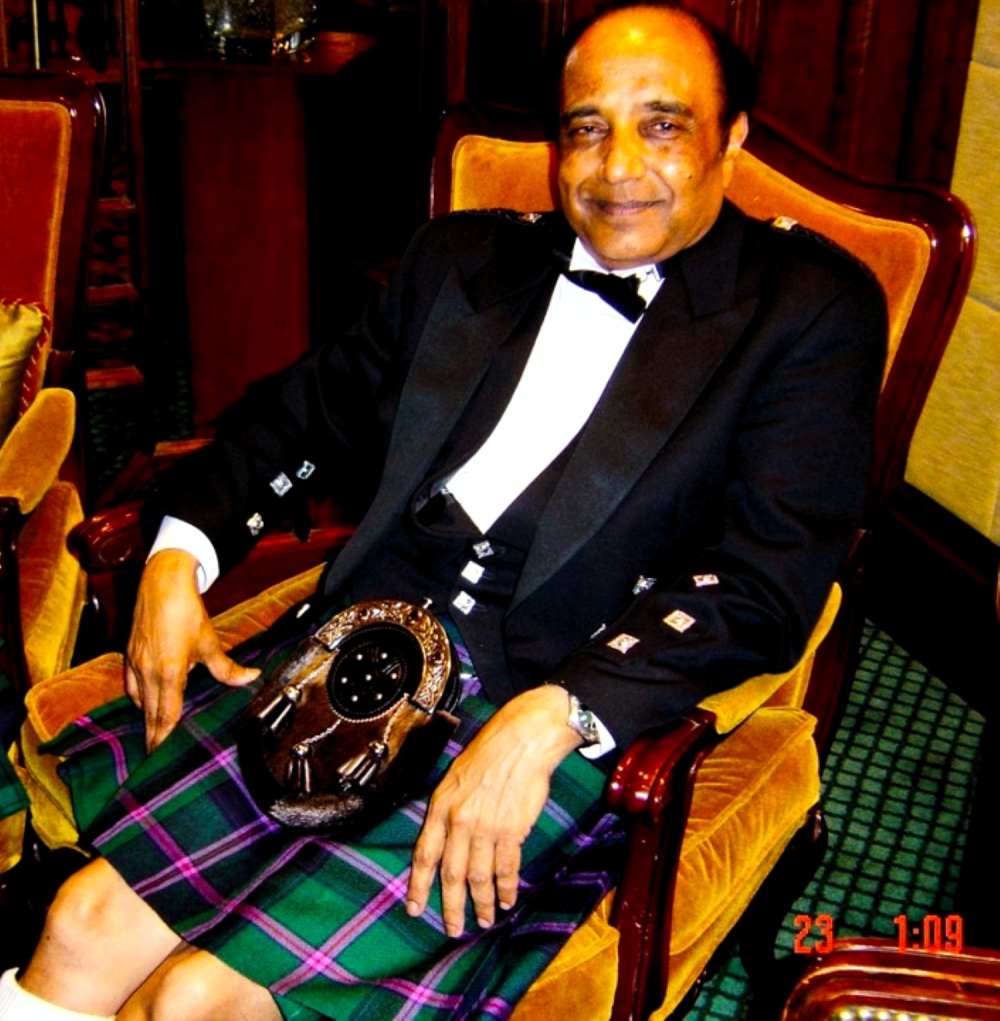
Photo left: Vasant in Kilt during The Joint Conference of the USA, Europe and the British Laser societies in 2003
To be continued….
Part 2 of this interview will follow soon. Stay tuned!
Brief CV
Vasant Oswal was born and bred in Pune, a hundred miles southeast of Mumbai, India, in 1934, before the Second World War when there were no cars or buses on the road, and public transport was by horse-drawn carriages called Tonga.